
From the Lazaret, Sète is best discovered in sequences rather than as a list of must-sees. We often enter the city by its most pleasant points: the Corniche, the seafront, the quays, then the heights and a few more unusual places. The idea is not to check off everything, but to choose the right rhythm.
A little history…
Created by royal decree in 1666
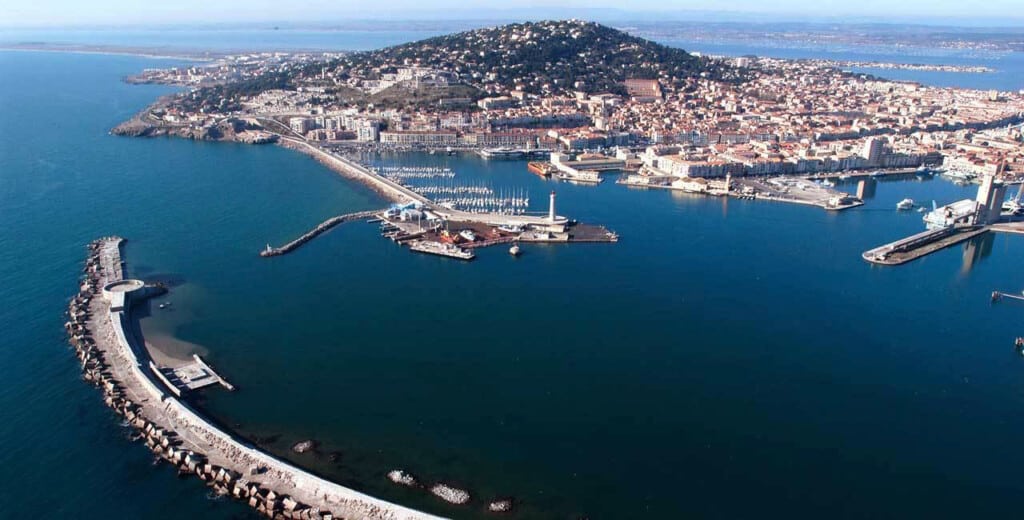
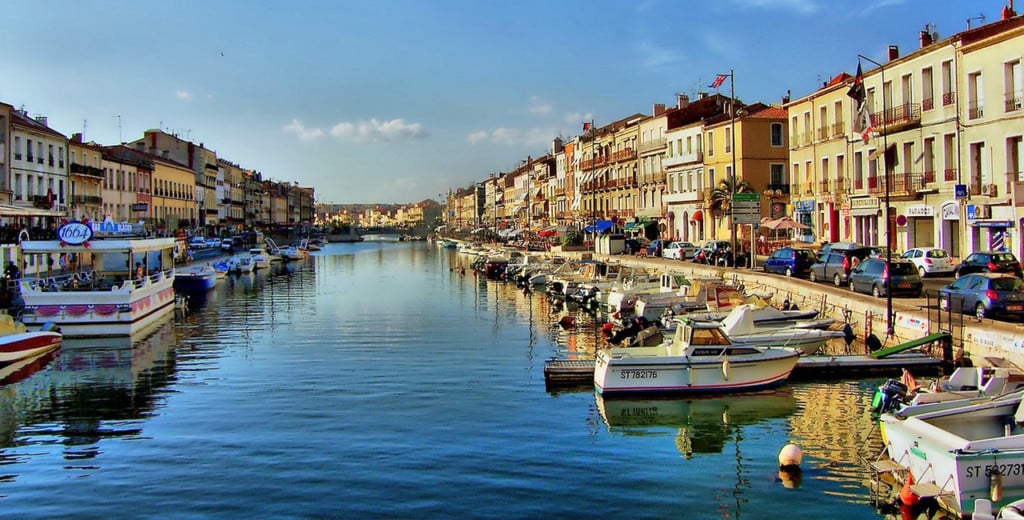
“It was the brainchild of three men: Paul Riquet, who was looking for an outlet to the Mediterranean for the Canal du Midi; Louis XIV, who was looking for a harbor for his royal galleys and wanted to create an export port for Languedoc products; and the Chevalier de Clerville, who was asked by Colbert to find the most suitable cape for building a port. Sète is a little Venice of the Languedoc region, with a wealth of charms and assets. With Mont St Clair towering above it, the fishing port at its foot and the Etang de Thau at its side, this sunny little town, criss-crossed by its canals, is always bustling with activity.
Paul Valery and Georges Brassens are its most famous sons. They are buried here today. Each in their own way paid tribute to the beauty of this city, which flirts with the sea, garrigue, vineyards and ponds.
Start with Sète to set the tone
quays, port, Corniche, a successful first half-day
When you arrive at the Lazaret, it’s often best to start with a clear Sète, one that helps you get your bearings without wanting to take in everything at once.
- The city center and the Cadre Royal: the quays, bridges, Halles and small squares immediately give the measure of the city.
- The fishing port: here, the sea is not a backdrop. Looking at the boats, the quays and the work done in the port helps you understand Sétoise’s identity.
- The Corniche: from the Lazaret, this is the most natural promenade. It works just as well for a very short outing as it does for a day out in the fresh air.
The best thing to do, especially on the first day, is to choose just one of these registers and keep some free time to come back to the estate.
See the town from above, then look for the more unusual Sète
panoramas, quarters apart, museums and more personal detours
Sète changes a lot depending on where you stand. A view, a lakeside neighborhood or a well-chosen museum are enough to change the mood of the day.
Mont Saint-Clair
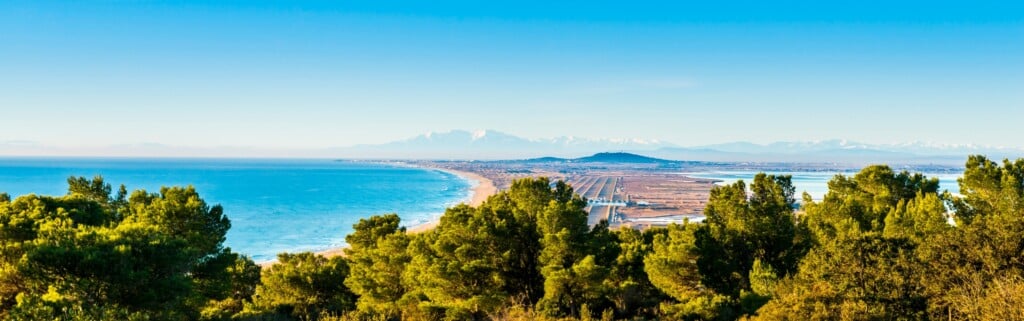
If you want to read the geography of Sète at a glance, this is the best vantage point: sea, harbor, Etang de Thau and the ribbon of the Lido immediately respond to each other.
Pierres Blanches
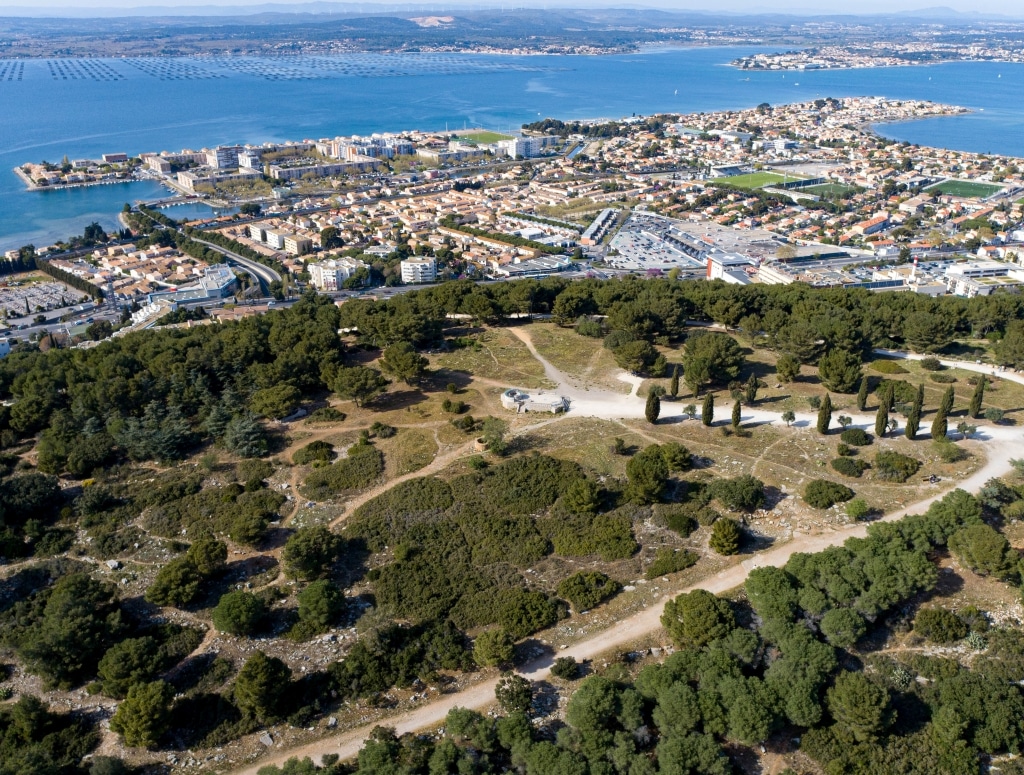
For a cooler, quieter outing, this walk works very well. Sète is greener, more breathable and less directly urban.
La Pointe Courte
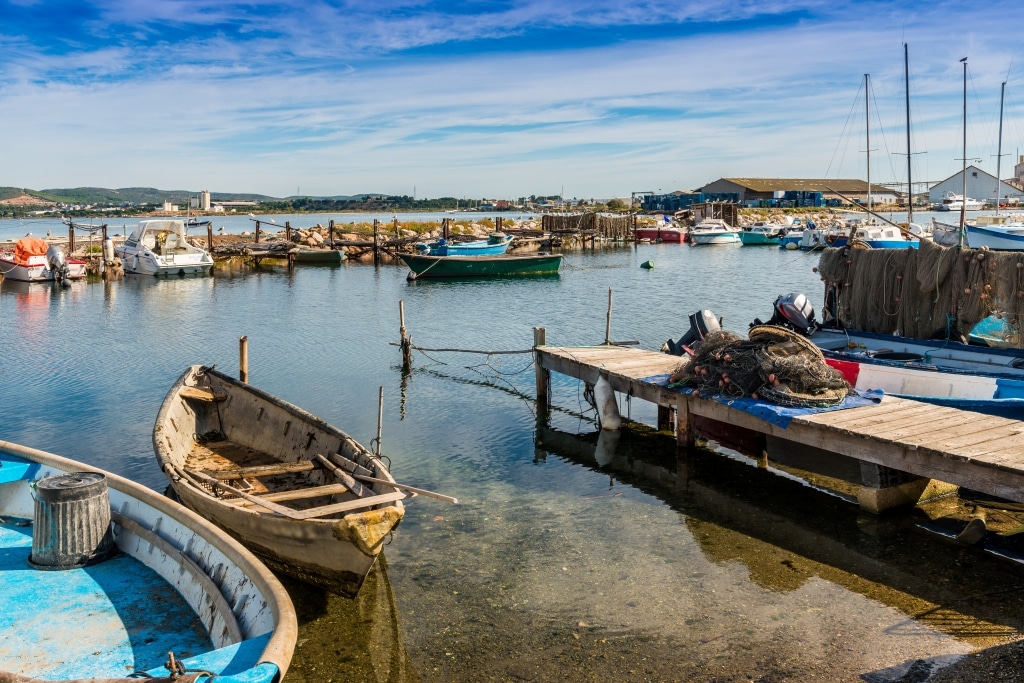
People come here mainly for the atmosphere: small houses, narrow passageways, the edge of a pond, the feeling of a village apart. It’s a place to look at with delicacy.
MIAM / Paul Valéry
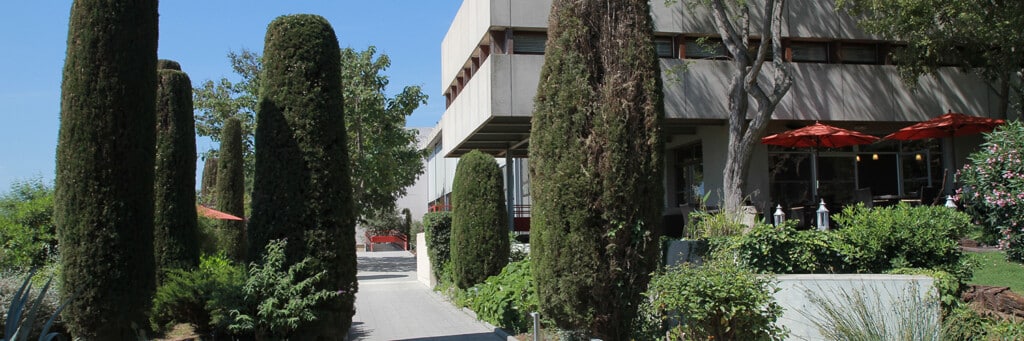
Depending on your mood, opt for the cheerful offbeat MIAM or the more contemplative Musée Paul Valéry and the marine cemetery.
Our favourite routes from Le Lazaret
3 simple formats to enter the city without getting lost
Depending on the energy level of the day, you can keep your outing very light, aim for a real half-day, or make it a full day with a climb, a museum or a beach.
In 2 hours
Corniche, seaside, coves and quiet return. It’s the perfect outing when you want to see something beautiful without organization.
In half a day
Bus or departure towards the center, passing through Les Halles, touring the quays, then returning to the Corniche side. Enough to feel the city without saturation.
In one day
Downtown in the morning, lunch, climb to Saint-Clair or cultural detour in the afternoon, then evening light by the sea. A full day, but still supple.
Our tips and tricks :
- Don’t try to be all things to all people: Sète is best experienced by mood.
- Save the high altitude locations for clear weather, rather at the beginning or end of the day.
- The seafront and Corniche are perfect for a spontaneous outing, even a short one.
Read also
to extend your stay